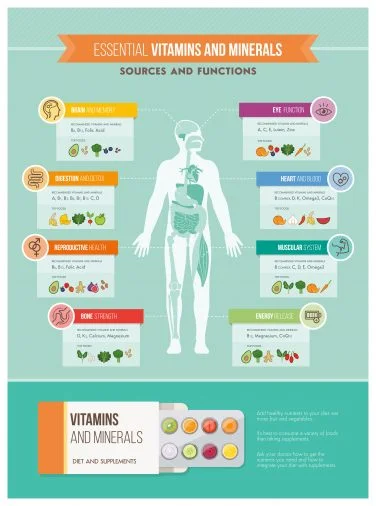

Feeling tired or fatigued doesn’t always mean you need more sleep or caffeine. Sometimes, your body is lacking essential vitamins and minerals that play critical roles in energy production and overall vitality. These micronutrients support metabolic processes, help convert food into energy, and regulate the nervous system, all of which influence how energized you feel throughout the day. Understanding the connection between nutrition and energy can help you make informed choices to maintain sustained mental and physical energy.
How Vitamins and Minerals Support Energy
Energy in the body comes primarily from the food we eat—carbohydrates, fats, and proteins. However, the process of breaking down these macronutrients into usable energy relies heavily on specific vitamins and minerals as cofactors. Without them, the body cannot efficiently generate ATP (adenosine triphosphate), the molecule responsible for powering cellular processes.
In essence, even if you consume enough calories, deficiencies in certain vitamins and minerals can leave you feeling sluggish, unfocused, and fatigued.
Key Vitamins for Energy
1. B Vitamins
B vitamins are essential for converting carbohydrates, fats, and proteins into energy. They also support nervous system function and brain health.
-
Vitamin B1 (Thiamine): Helps cells convert glucose into energy.
-
Vitamin B2 (Riboflavin): Supports energy production in mitochondria.
-
Vitamin B3 (Niacin): Assists in metabolism and DNA repair.
-
Vitamin B6 (Pyridoxine): Essential for neurotransmitter synthesis and protein metabolism.
-
Vitamin B12 (Cobalamin): Vital for red blood cell production, oxygen transport, and neurological function.
-
Folate (B9): Works with B12 in producing red blood cells and energy metabolism.
Sources: Whole grains, eggs, lean meats, leafy greens, legumes, and fortified foods.
2. Vitamin C
Vitamin C is well-known for its immune-boosting properties, but it also plays a role in energy by supporting carnitine production, which helps transport fatty acids into mitochondria for energy generation.
Sources: Citrus fruits, berries, bell peppers, broccoli, and tomatoes.
3. Vitamin D
Vitamin D regulates calcium levels, supports bone health, and influences muscle function. Low levels of vitamin D are linked to fatigue and reduced physical performance.
Sources: Sunlight exposure, fatty fish, egg yolks, and fortified dairy products.
Important Minerals for Energy
1. Iron
Iron is crucial for oxygen transport via hemoglobin in red blood cells. Without sufficient iron, muscles and organs do not receive adequate oxygen, leading to fatigue and reduced stamina.
Sources: Lean red meat, poultry, fish, beans, lentils, and spinach.
2. Magnesium
Magnesium is involved in over 300 enzymatic reactions, many of which are related to energy production and muscle function. It helps convert food into ATP and supports the nervous system.
Sources: Nuts, seeds, whole grains, leafy greens, and dark chocolate.
3. Zinc
Zinc supports metabolic processes, immune function, and cellular repair, all of which are necessary for maintaining sustained energy. Deficiency can result in lethargy and reduced cognitive function.
Sources: Meat, shellfish, legumes, nuts, and seeds.
4. Potassium
Potassium is essential for maintaining proper electrolyte balance and nerve signaling. It helps muscles contract efficiently and prevents fatigue, particularly during exercise.
Sources: Bananas, potatoes, spinach, avocados, and citrus fruits.
Tips for Maximizing Energy Through Vitamins and Minerals
-
Eat a varied diet: Incorporate colorful fruits, vegetables, lean proteins, whole grains, nuts, and seeds to cover a broad spectrum of nutrients.
-
Consider supplementation wisely: If dietary intake is insufficient, consult a healthcare professional about supplements, particularly B12, iron, magnesium, or vitamin D.
-
Stay hydrated: Water is necessary for nutrient transport and energy metabolism.
-
Pair nutrients effectively: For example, vitamin C enhances iron absorption from plant-based sources.
-
Monitor deficiencies: Fatigue, irritability, and poor concentration can indicate nutrient gaps—blood tests can help identify deficiencies.
Final Thoughts
Vitamins and minerals are not just minor components of your diet—they are essential for converting food into energy and maintaining mental and physical vitality. B vitamins, vitamin C, vitamin D, iron, magnesium, zinc, and potassium all play distinct yet interconnected roles in energy metabolism. A balanced diet rich in these nutrients ensures your body can perform optimally, reducing fatigue and sustaining energy throughout the day.
By paying attention to your micronutrient intake and combining it with healthy lifestyle habits like sleep, hydration, and movement, you can unlock natural, consistent energy without relying solely on stimulants. Remember, energy isn’t just about calories—it’s about providing your body with the essential tools it needs to transform those calories into sustained vitality.