
In our modern, fast-paced world, it’s easy to underestimate the power of sleep. Many people sacrifice rest in favor of work, social activities, or screen time, not realizing that sleep is one of the most critical factors for maintaining both mental clarity and physical energy. Quality sleep directly impacts cognitive function, emotional stability, and physical performance. Understanding its role and optimizing your sleep habits can transform your daily energy levels.
Why Sleep Matters for Energy
Sleep is not merely a period of inactivity; it is a restorative process that replenishes energy at both the cellular and neurological levels. During sleep, the body engages in essential functions, including:
-
Muscle repair and growth: Cells produce proteins and repair tissues damaged during the day.
-
Energy restoration: The body replenishes glycogen stores and restores ATP, the energy currency of cells.
-
Brain detoxification: The brain clears waste products through the glymphatic system, improving cognitive function and alertness.
-
Hormone regulation: Sleep balances hormones such as cortisol, which influences stress and energy levels, and growth hormone, which supports recovery and vitality.
Without adequate sleep, your body and brain cannot operate at peak efficiency, leaving you fatigued, unfocused, and prone to mood swings.
The Connection Between Sleep and Mental Clarity
Cognitive performance is deeply tied to sleep quality. During deep sleep stages, the brain consolidates memories, processes information, and removes toxins that accumulate during waking hours. Insufficient sleep leads to:
-
Reduced concentration and focus
-
Slower reaction times
-
Memory lapses
-
Difficulty solving problems or making decisions
In other words, your mind literally runs on the energy it gets from restorative sleep. Chronic sleep deprivation can cause persistent mental fatigue, making everyday tasks feel exhausting.
Sleep and Physical Energy
Your muscles, heart, and other organs rely on energy restored during sleep. Inadequate rest disrupts ATP production, which affects how efficiently your cells convert nutrients into usable energy. As a result, you may experience:
-
Sluggishness during workouts or daily activities
-
Reduced endurance and strength
-
Increased perception of effort during physical tasks
-
Higher risk of injury due to fatigue
Essentially, sleep fuels your body just as much as food and exercise do. Without it, no amount of coffee or quick energy hacks can fully compensate.
Optimizing Sleep for Maximum Energy
Here are practical tips to maximize sleep quality and support mind and body energy:
1. Maintain a Consistent Sleep Schedule
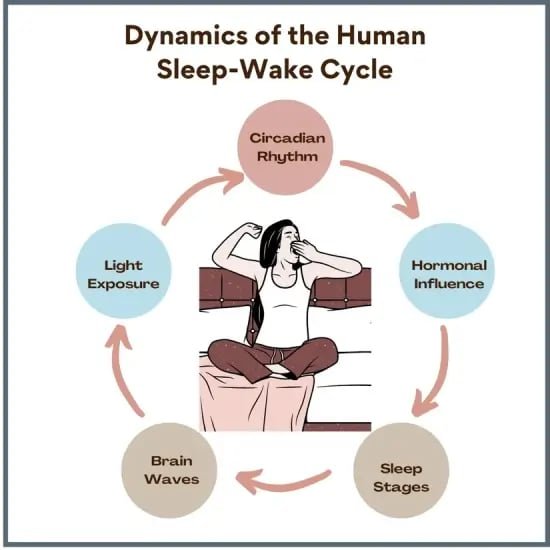
Go to bed and wake up at the same time every day, even on weekends. Consistency strengthens your circadian rhythm, improving both sleep quality and daytime alertness.
2. Create a Restful Sleep Environment
A dark, quiet, and cool bedroom encourages deeper sleep. Consider blackout curtains, white noise machines, or cooling fans to optimize conditions.
3. Limit Screens Before Bed
Blue light from phones, tablets, and computers can suppress melatonin, the hormone that regulates sleep. Aim to disconnect at least one hour before bedtime and engage in relaxing activities instead, such as reading or gentle stretching.
4. Avoid Heavy Meals and Stimulants
Eating large meals, caffeine, or alcohol close to bedtime can disrupt sleep cycles. Opt for light snacks if necessary, and minimize stimulants several hours before sleep.
5. Incorporate Relaxation Techniques
Mindful breathing, meditation, or a warm bath can signal your body that it’s time to wind down, promoting faster and deeper sleep.
Naps: Short Boosts of Energy
While nighttime sleep is essential, short power naps can also restore energy during the day. A 10–20 minute nap can increase alertness, improve mood, and enhance cognitive performance without interfering with nighttime rest. Avoid long naps, which can leave you groggy and disrupt your sleep-wake cycle.
Final Thoughts
Sleep is the cornerstone of mind and body energy. It restores cognitive function, replenishes physical vitality, and regulates hormones that influence alertness and performance. Without adequate, high-quality sleep, your energy levels, focus, and overall health suffer, no matter how well you eat or exercise.
By prioritizing sleep, maintaining consistent routines, and creating an optimal sleep environment, you can unlock peak mental clarity and physical energy. Remember, energy isn’t something you can simply generate on demand—it’s something you cultivate through rest, recovery, and mindful care of your body and brain.
Investing in sleep is investing in yourself: a well-rested mind and body perform better, feel stronger, and sustain energy for everything your day demands.