

Stress is a natural response to life’s challenges, but chronic stress can significantly drain both mental and physical energy. When stress levels remain high, the body remains in a state of heightened alertness, which can lead to fatigue, poor focus, and even long-term health issues. Understanding the connection between stress and energy—and learning strategies to manage it—can help you protect your vitality and maintain consistent performance throughout the day.
How Stress Impacts Energy
Stress triggers the release of hormones such as cortisol and adrenaline. In the short term, these hormones increase alertness and provide a temporary energy boost. This “fight-or-flight” response is helpful in emergencies but becomes problematic when stress is chronic. Constant activation of this system can lead to:
-
Mental fatigue: Difficulty concentrating, memory lapses, and slower decision-making.
-
Physical fatigue: Muscle tension, headaches, and depleted energy stores.
-
Sleep disruption: Poor sleep reduces energy restoration and impairs brain function.
-
Weakened immunity: Chronic stress suppresses the immune system, making the body more susceptible to illness, which further reduces energy.
Essentially, unmanaged stress consumes energy rather than conserving it, leaving both your mind and body depleted.
The Mind-Body Connection
Stress is not only a mental experience—it directly affects physical systems. The nervous system communicates with every organ, muscle, and tissue. Chronic stress keeps the sympathetic nervous system (the “fight or flight” branch) overactive while underutilizing the parasympathetic system, which is responsible for rest, digestion, and recovery. Over time, this imbalance reduces your body’s ability to generate energy efficiently, affecting performance, mood, and overall well-being.
Nutrition and Stress Management
Eating well can buffer the effects of stress and support energy levels. Foods rich in complex carbohydrates, lean proteins, and healthy fats stabilize blood sugar and provide sustained energy. Nutrients like magnesium, B vitamins, and omega-3 fatty acids help regulate nervous system function and reduce the impact of stress on the body. Staying hydrated also supports optimal circulation and cognitive function, which can be negatively affected by stress.
Tip: Avoid excessive caffeine and sugar, as they can exacerbate stress and cause energy crashes.
Movement and Exercise for Energy Renewal
Physical activity is one of the most effective ways to manage stress and boost energy. Exercise stimulates the release of endorphins, natural chemicals that improve mood and reduce the perception of stress. Activities like yoga, stretching, brisk walking, or strength training increase circulation, oxygen delivery, and metabolic energy production. Even short bouts of movement throughout the day can relieve tension and improve both mental and physical vitality.
Mindfulness and Breathing Techniques
Mindfulness practices help manage stress by activating the parasympathetic nervous system, which promotes relaxation and energy restoration. Simple techniques include:
-
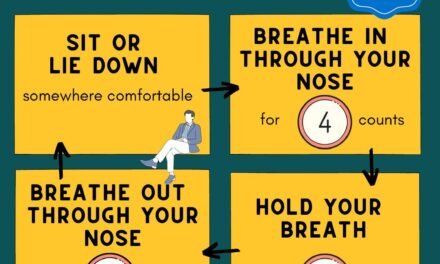
Deep diaphragmatic breathing: Inhale deeply through your nose, expand your belly, and exhale slowly. Repeat for several minutes.
-
Meditation: Even 5–10 minutes of focused attention can reduce stress hormones and clear mental fatigue.
-
Progressive muscle relaxation: Tense and release muscles to alleviate physical tension and promote calm energy.
By incorporating mindfulness into your routine, you can preserve energy that would otherwise be lost to chronic stress.
Sleep: The Ultimate Energy Protector
Stress and sleep are closely linked. High stress levels can make it difficult to fall asleep or maintain deep sleep stages, which are essential for energy restoration. Prioritizing quality sleep—7 to 9 hours per night—helps your body repair tissues, restore neurotransmitters, and regulate hormones, ensuring that both mind and body are energized for the day ahead.
Practical Strategies to Protect Energy
-
Identify stress triggers: Awareness is the first step in managing energy-draining stress.
-
Prioritize tasks: Focus on high-impact activities and delegate or postpone less critical tasks.
-
Schedule movement breaks: Short walks, stretches, or yoga sessions can reset energy levels.
-
Practice mindfulness: Daily meditation, breathing exercises, or journaling reduce mental fatigue.
-
Maintain nutrition and hydration: Balanced meals and regular water intake stabilize energy.
-
Set boundaries: Learn to say no to tasks or commitments that overwhelm your mind or body.
Final Thoughts
Stress is inevitable, but how you respond to it determines whether it drains your energy or leaves you resilient and focused. By combining proper nutrition, movement, mindfulness, and restorative sleep, you can protect your mental and physical vitality. The key is to manage stress proactively rather than reactively.
When stress is handled effectively, your energy levels remain stable, your mind stays sharp, and your body functions optimally. Protecting your vitality is not just about avoiding fatigue—it’s about creating a sustainable foundation for productivity, well-being, and overall life satisfaction.
Remember, energy isn’t just a physical resource—it’s a reflection of how well you care for your mind, body, and emotional balance. Taking steps to manage stress today ensures that your energy tomorrow remains strong and vibrant.