
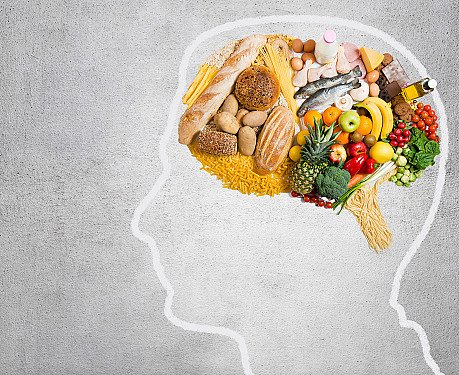

Feeling tired, sluggish, or mentally foggy is often a result of more than just lack of sleep—it’s also closely linked to what you eat. Nutrition plays a vital role in determining how much energy your body and brain have throughout the day. The food you consume fuels every cell in your body, supports cognitive function, and affects mood, motivation, and overall vitality. Understanding the connection between nutrition and energy can help you make choices that keep you alert, focused, and physically active.
The Brain and Body Connection
Your brain consumes roughly 20% of your daily energy, even though it makes up only about 2% of your body weight. It relies primarily on glucose, which comes from the carbohydrates in your diet, for fuel. When glucose levels are stable, your mind stays sharp, concentration improves, and decision-making is easier. On the other hand, erratic eating patterns, high-sugar snacks, or skipping meals can lead to energy crashes, reduced focus, and fatigue.
Similarly, your muscles, organs, and other body systems rely on the nutrients from your food to produce ATP (adenosine triphosphate)—the chemical energy your cells use to perform their functions. A lack of essential nutrients compromises energy production, leaving both mind and body depleted.
Carbohydrates: The Primary Energy Source
Carbohydrates are the body’s main source of energy, especially for the brain. Complex carbs, such as whole grains, oats, quinoa, and sweet potatoes, release glucose slowly, providing sustained energy throughout the day. In contrast, simple carbs and sugary snacks may give you a quick boost, but they are often followed by a sharp energy crash.
Tip: Pair carbohydrates with protein or healthy fats to maintain steady blood sugar levels and avoid mid-morning or afternoon slumps.
Proteins: Building Blocks for Energy
Proteins are essential for repairing tissues, producing neurotransmitters, and supporting muscle function. Foods like eggs, fish, lean meats, beans, and nuts supply amino acids that help your brain communicate effectively with your body. When your protein intake is adequate, your energy levels remain stable, and your mental clarity improves.
Fats: Long-Lasting Fuel
Healthy fats, such as avocados, olive oil, nuts, seeds, and fatty fish, provide a concentrated energy source. Fats are particularly important for brain health, as the brain is nearly 60% fat. Omega-3 fatty acids support cognitive function, reduce inflammation, and help maintain focus and motivation. Including healthy fats in your meals ensures your mind and body have sustained energy, especially during extended periods of activity.
Vitamins and Minerals: Energy Catalysts
Micronutrients play a critical role in converting food into usable energy. B vitamins, for example, are vital for energy metabolism, helping convert carbohydrates, fats, and proteins into ATP. Iron supports oxygen transport in the blood, while magnesium contributes to muscle and nerve function. Deficiencies in these nutrients can result in fatigue, poor concentration, and physical weakness.
Tip: Include a colorful variety of fruits, vegetables, and whole foods in your diet to cover essential vitamins and minerals naturally.
Hydration: The Often Overlooked Energy Factor
Water is crucial for energy production. Even mild dehydration can reduce blood volume, limiting oxygen and nutrient delivery to your brain and muscles. Staying hydrated enhances alertness, improves focus, and supports physical endurance. Herbal teas or infused water can also provide additional hydration while keeping you energized.
Eating Patterns and Energy Levels
When and how you eat is just as important as what you eat. Small, frequent meals help maintain stable blood sugar levels, while long gaps between meals can lead to energy dips. Breakfast is particularly important, as it replenishes glucose stores after a night of fasting, providing the energy your brain and body need to start the day effectively.
Practical Nutrition Tips for Maximum Energy
-
Start the day with a balanced breakfast containing protein, complex carbs, and healthy fats.
-
Include lean proteins in every meal to support sustained energy.
-
Choose whole grains over refined carbohydrates.
-
Eat a variety of fruits and vegetables for essential vitamins and minerals.
-
Stay hydrated throughout the day.
-
Limit excessive sugar and processed foods that cause energy crashes.
-
Consider small snacks like nuts, seeds, or yogurt to maintain steady energy.
Final Thoughts
Nutrition is not just about fueling your body—it’s about fueling your mind as well. The right balance of carbohydrates, proteins, fats, vitamins, and minerals ensures that both your brain and body have the energy they need to perform at their best. By making mindful food choices, staying hydrated, and following consistent eating patterns, you can enhance mental clarity, physical vitality, and overall well-being.
Remember, consistent energy comes from nourishing your body and mind, not from quick fixes. When you prioritize nutrition, your mind becomes sharper, your body more resilient, and your energy levels naturally optimized for whatever the day brings.